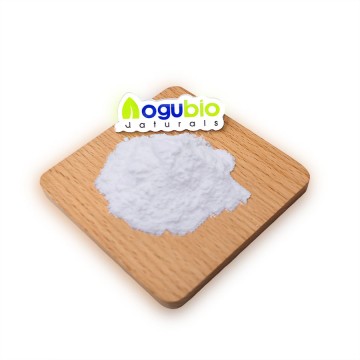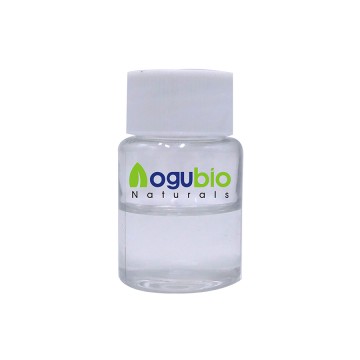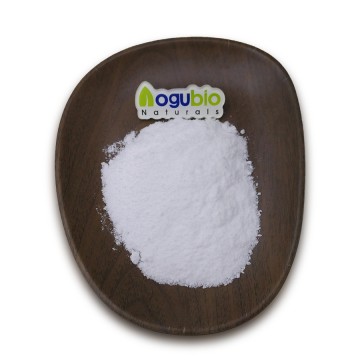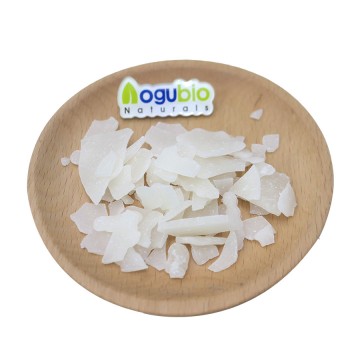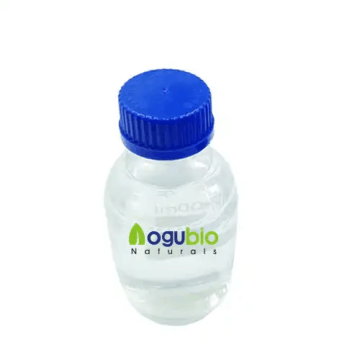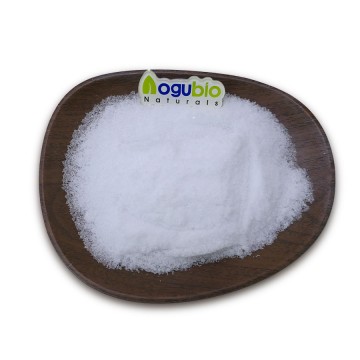
Sodium Lauryl Ether Sulfate (SLES) is a widely used surfactant known for its exceptional cleansing and foaming properties, making it a fundamental ingredient in numerous skin care and personal care products. Chemically derived from coconut oil or palm kernel oil, SLES belongs to the class of anionic surfactants. It effectively removes oils, dirt, and impurities from the skin and hair by reducing surface tension, thus allowing water to penetrate and carry away contaminants.
Due to its versatility, SLES is commonly found in shampoos, body washes, facial cleansers, toothpaste, and hand soaps. Its ability to create a rich, stable foam enhances consumer perception of cleanliness and product effectiveness. Despite its widespread use, SLES formulations are often carefully balanced to minimize irritation potential, including combining it with gentle soothing agents or using milder grades to maintain skin comfort.
⚙From a commercial standpoint, Sodium Lauryl Ether Sulfate remains a cost-effective ingredient, ensuring affordable, high-performance cleansing products. Its industrial availability in large volumes supports mass production and consistent quality, which is critical for global personal care companies aiming for scalable and reliable formulations.
The demand for Sodium Lauryl Ether Sulfate continues robustly in the global personal care market due to its established efficacy and low cost. However, evolving consumer preferences towards "clean", "natural", and "sustainable" products have led manufacturers to innovate around traditional surfactants like SLES. Many companies now strive to produce variants with renewable feedstocks, improved biodegradability, and reduced skin irritancy.
Recent trends include blending SLES with mild nonionic or amphoteric surfactants that enhance moisturizing performance and reduce dryness sensations. Additionally, cosmetic chemists are developing sulfate-free cleansing systems to cater to ultra-sensitive skin populations; nonetheless, SLES remains a benchmark for foaming and cleansing efficacy for many formulations.
On the industrial side, manufacturers are investing in refining extraction and synthesis technologies that yield higher purity SLES grades with controlled chain lengths and ethoxylation levels, tailored to specific application needs such as facial foams, baby care, or heavy-duty cleansing. Regulatory scrutiny and compliance with international safety standards also shape production processes and quality control practices.
Beyond traditional skin care and cleansing products, Sodium Lauryl Ether Sulfate is increasingly applied in advanced personal care sectors such as:
This expansion highlights the versatility and adaptability of Sodium Lauryl Ether Sulfate in an evolving marketplace that demands both performance and safety.
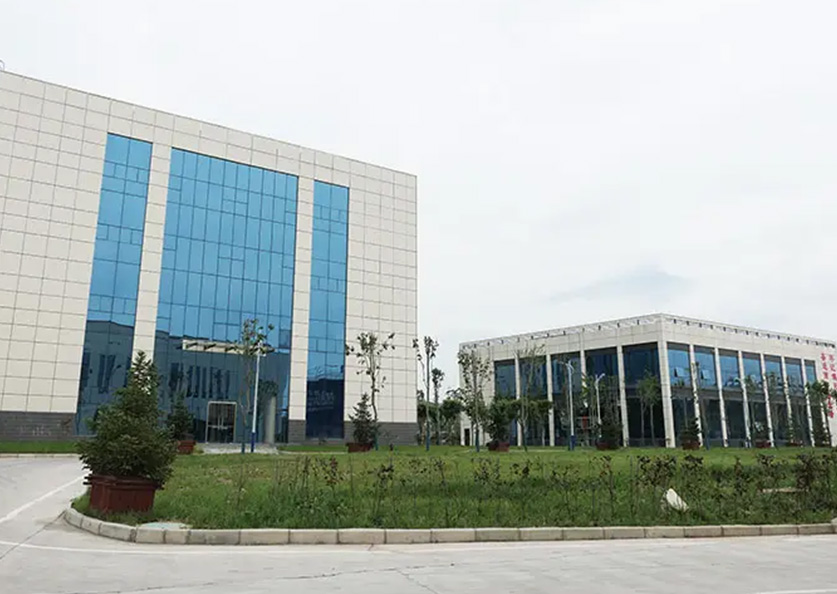
Founded in 2013 in the prestigious high-tech zone of Xi'an, Xi'an Aoge Biotech Co., Ltd., with subsidiaries Xi'an Imaherb Biotech Co., Ltd. and Xi'an Nahanutri Biotech Co., Ltd., stands as a leader in cosmetic raw materials manufacturing. Our 1,000 mu (165 acres) state-of-the-art factory employs advanced extraction technologies and up-to-date synthetic methods to create premium ingredients tailored for skin, hair, and makeup products.
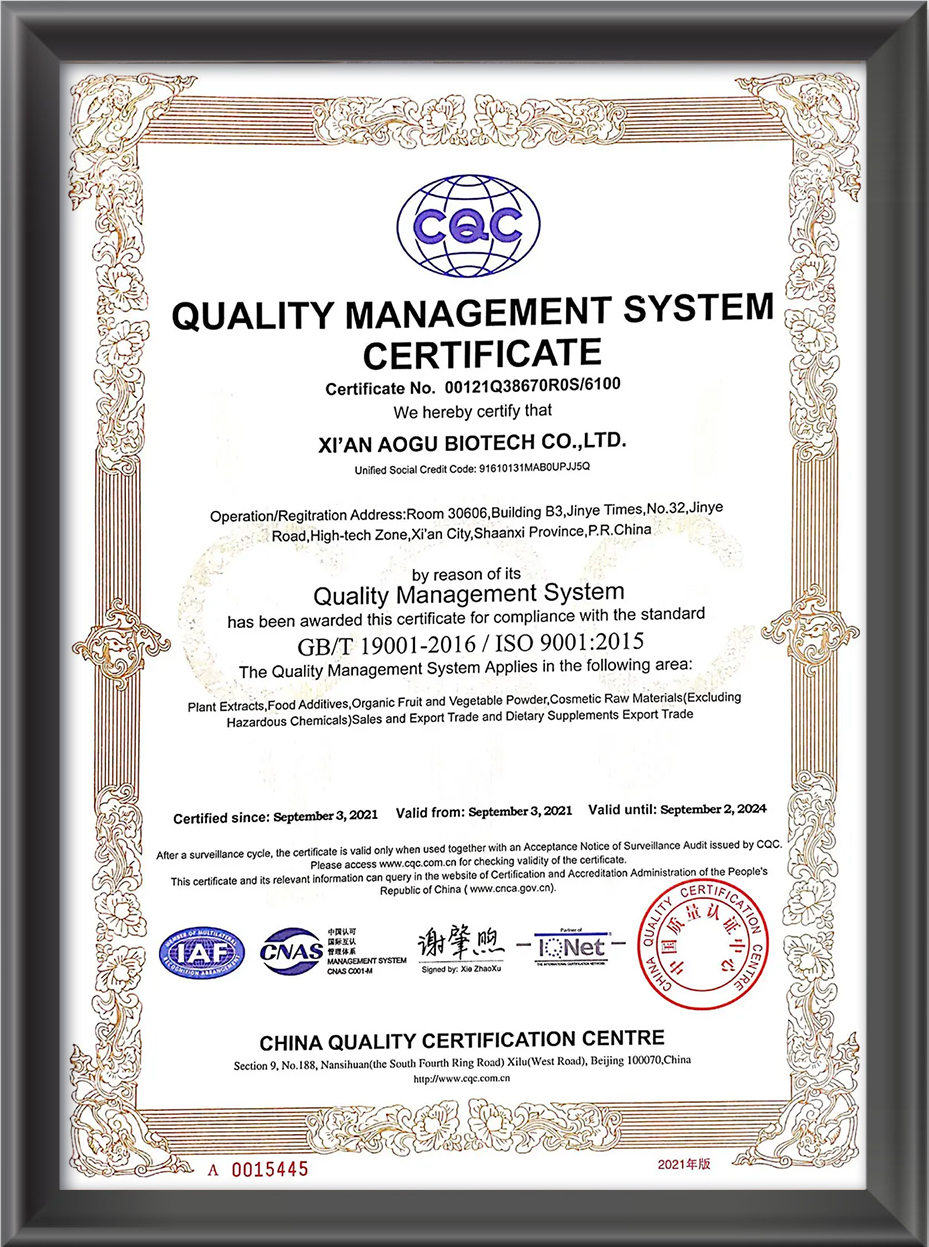
Our product portfolio spans from natural plant extracts supporting organic cosmetics to synthetic, high-performance ingredients like Sodium Lauryl Ether Sulfate. Every batch undergoes rigorous quality testing in our in-house lab equipped with UPLC, HPLC, GC-MS, and ICP-MS instrumentation, ensuring compliance with international standards.
View More About Us
Our in-house lab uses advanced instruments like UPLC, HPLC, GC-MS, ICP-MS for quality control, ensuring raw materials meet strict international standards.